
How Can Israeli Emergency Bandages Improve Emergency Wound Care?
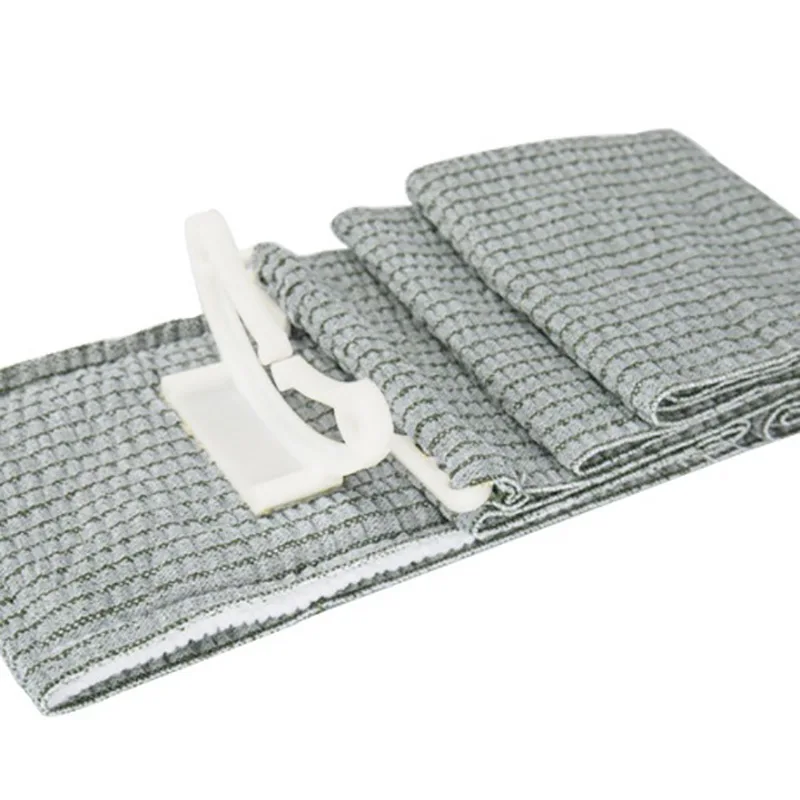
Emergency wound management requires medical supplies that can be applied quickly, securely, and with minimal disruption to ongoing care. In trauma response, the first treatment step often focuses on controlling bleeding, protecting the wound, and preparing the patient for further medical assessment. Israeli Emergency Bandages are designed around these practical requirements, combining a pressure dressing structure with an integrated approach to wound coverage and bleeding control.
As emergency medicine continues to develop, healthcare professionals are paying greater attention to the usability, reliability, and material quality of disposable trauma supplies. The effectiveness of an emergency dressing depends not only on the dressing material itself, but also on how easily it can be positioned, secured, and maintained during active treatment. This has encouraged medical device manufacturers to improve product structures while maintaining appropriate quality management throughout production.
The Role of Pressure Dressings in Emergency Treatment
External bleeding can occur in many emergency situations, including accidental injuries, clinical incidents, occupational trauma, and prehospital emergencies. When immediate professional intervention is required, a suitable pressure dressing can provide temporary support while the patient is being assessed and transported.
A pressure dressing is generally intended to combine wound coverage with controlled compression. This design can help medical personnel address bleeding more efficiently than using separate wound covering and securing materials. The integrated structure also helps simplify the treatment process when time and handling conditions are limited.
Combining Wound Coverage With Pressure Application
The functional design of an emergency dressing is particularly important when treatment takes place outside a controlled clinical environment. Medical personnel may need to work with limited space, reduced visibility, protective gloves, or changing patient conditions. A practical dressing should therefore be straightforward to handle and capable of maintaining its intended position after application.
Integrated pressure components can help distribute compression over the wound area while allowing the dressing to remain secured. This approach supports a more organized treatment procedure and can reduce the need to coordinate several separate supplies during an emergency response.
| Design Consideration | Clinical Requirement | Practical Benefit |
|---|---|---|
| Wound coverage | Clean and secure contact with the wound area | Supports basic wound protection |
| Pressure application | Controlled compression during initial care | Supports bleeding management |
| Secure fixation | Stable positioning during movement | Helps maintain dressing placement |
| Disposable construction | Suitable material quality for medical use | Supports hygienic clinical workflows |
Why Product Design Matters During Trauma Response
Emergency treatment is different from routine wound care because medical personnel often have to respond under significant time pressure. A dressing that requires complicated preparation may slow down the procedure or create additional handling steps. For this reason, manufacturers are increasingly focused on practical structures that support rapid application.
Ease of use is particularly important for emergency supplies intended for hospitals, ambulances, clinics, rescue teams, and other healthcare environments. A well-designed dressing should allow trained personnel to understand the application process quickly and maintain effective control throughout the initial treatment stage.
Application Efficiency Supports Better Workflow
Application efficiency does not simply mean applying a dressing quickly. It also involves maintaining appropriate wound coverage, securing the dressing correctly, and reducing unnecessary manipulation of the injured area. These factors can make a meaningful difference when healthcare personnel are managing multiple clinical priorities at the same time.
The structure of an emergency dressing should therefore be considered as part of a complete treatment workflow. Material selection, pressure control, fixation, packaging, and handling characteristics all contribute to the overall usability of the product.
Material Selection Influences Medical Supply Performance
Medical-grade raw materials are an important foundation for disposable trauma products. Materials used in wound care should be selected according to their intended medical application, physical properties, and compatibility with established manufacturing requirements.
For emergency dressings, the material needs to support both functional performance and patient comfort. The dressing should provide appropriate wound coverage while maintaining sufficient structural integrity during handling. Materials with suitable strength and flexibility can help the product remain practical during application and subsequent patient movement.
Balancing Strength, Flexibility, and Comfort
Emergency medical supplies must often perform under unpredictable conditions. Excessively rigid materials may make application more difficult, while insufficient structural strength can affect product handling. A balanced material design helps manufacturers create dressings that are practical for professional medical use.
Comfort is also relevant because the dressing may remain in place while the patient receives additional medical attention. Product development therefore needs to consider not only the immediate emergency function but also the overall interaction between the dressing and the patient's wound care process.
Quality Control Is Essential for Disposable Trauma Supplies
Quality assurance is a critical part of medical device manufacturing. Disposable wound care products must be produced under controlled conditions to maintain consistency between batches and support reliable clinical performance. A comprehensive quality management system provides a structured framework for controlling materials, production processes, inspections, and finished products.
Manufacturers with established quality control procedures can evaluate raw materials before production and conduct appropriate inspections during manufacturing. Finished products can also undergo functional and durability assessments according to their intended use.
Inspection Covers More Than Final Product Appearance
Visual inspection is only one part of medical product quality control. Professional manufacturing requires attention to material properties, structural integrity, packaging condition, and functional performance. For pressure dressings, relevant assessments may include the stability of the dressing structure and its ability to withstand normal handling conditions.
A full-chain inspection approach helps identify potential issues at different stages rather than relying exclusively on final inspection. This method supports more consistent manufacturing and provides a stronger foundation for medical product safety.
How Are Emergency Dressing Standards Evolving?
The development of emergency medical supplies is closely connected with changing healthcare practices. Hospitals, clinics, emergency services, and other medical organizations increasingly expect disposable products to combine practical functionality with consistent quality.
Manufacturers are responding by improving product structures, refining material selection, and strengthening production controls. Product development is also becoming more closely connected with actual clinical requirements. Instead of focusing solely on basic product functions, research teams are considering how medical personnel interact with supplies during real treatment situations.
Clinical Feedback Encourages Practical Innovation
Clinical experience provides valuable information for improving medical products. Healthcare professionals understand the challenges associated with emergency wound treatment, including limited preparation time, difficult operating environments, and the need for secure fixation.
Manufacturers that actively study these challenges can make more meaningful improvements to product structures. Continuous optimization may involve changes to materials, dressing configuration, packaging, or application methods, depending on the intended medical scenario.
Where Can These Dressings Support Emergency Medical Work?
Emergency pressure dressings can support a range of healthcare and trauma response environments. Their applications are not limited to a single type of medical institution because bleeding control can be required in hospitals, clinics, ambulances, field medical operations, occupational healthcare settings, and other emergency care environments.
In hospitals and private clinics, emergency dressings can form part of a broader wound management inventory. In prehospital care, their compact and functional design can support initial treatment before the patient reaches a medical facility. They can also be incorporated into emergency medical supply systems where fast access to essential trauma products is important.
Hospitals and Clinical Facilities
Hospitals require dependable disposable medical supplies across emergency departments, treatment rooms, operating environments, and other clinical areas. Pressure dressings can provide a practical option for immediate wound management when rapid bleeding control is required.
Ambulance and Prehospital Care
Prehospital medical teams operate under conditions that are often very different from conventional clinical environments. Space may be limited and treatment may take place while the patient is being transported. Compact emergency dressings can support organized wound management without requiring extensive preparation.
Emergency Preparedness and Rescue Operations
Emergency preparedness programs may also include trauma dressings as part of their medical supply systems. Rescue organizations and healthcare institutions need products that can be stored appropriately, accessed efficiently, and used by trained personnel when emergency situations occur.
What Should Manufacturers Consider When Developing These Products?
Effective product development requires a combination of clinical understanding, engineering considerations, material expertise, and quality management. Manufacturers need to consider the intended application before selecting the dressing structure and production materials.
Customization can also become important when medical institutions require particular packaging formats, branding arrangements, structural adjustments, or other product specifications. A manufacturer with independent research and development capabilities can respond more effectively to these requirements.
Research and Development Supports Product Adaptability
Medical product innovation should be based on genuine clinical requirements rather than superficial design changes. Research teams can evaluate existing products, identify operational difficulties, and develop practical improvements that address specific healthcare needs.
Customized development can be particularly useful for medical institutions and healthcare organizations with specialized application requirements. Flexible development capabilities allow manufacturers to discuss product structure, material selection, packaging, and production arrangements according to the intended application.
Reliable Supply Supports Medical Preparedness
Product availability is another important consideration for healthcare organizations. Emergency supplies need to be accessible when required, and supply interruptions can create unnecessary pressure on medical inventory management.
Manufacturers with ready stock and organized production systems can provide more responsive supply support. Fast delivery capabilities can be especially valuable for healthcare institutions that need to replenish emergency medical inventories or respond to changing operational requirements.
Service Extends Beyond Product Delivery
Professional medical supply service should include technical communication and after-sales support in addition to product delivery. When healthcare organizations have questions about product application, specifications, or customized production, responsive technical assistance can improve cooperation efficiency.
Long-term cooperation also requires manufacturers to maintain stable quality and communicate clearly about product requirements. This service-oriented approach can help establish stronger relationships between medical device manufacturers and healthcare organizations.
How Can Quality Manufacturing Strengthen Emergency Care?
Reliable emergency medical products like Israeli Emergency Bandages are built on more than a functional design. They require controlled production environments, appropriate raw materials, professional inspection, and continuous improvement. Each element contributes to the reliability of the final product and its suitability for healthcare applications.
For disposable trauma supplies, manufacturing consistency is especially important because the products are designed for direct use in medical treatment. A standardized production process helps reduce unwanted variation and provides a more dependable foundation for clinical use.
Integrated Manufacturing Creates Greater Control
Independent production capabilities allow manufacturers to maintain closer control over product quality and manufacturing processes. When research, production, inspection, and service are coordinated within an integrated business structure, product development can respond more efficiently to clinical feedback.
This integrated approach also helps manufacturers identify opportunities for continuous improvement. Production experience can provide valuable information for research teams, while research findings can be translated into practical manufacturing improvements.
Baoding Sanji Medical Builds Its Medical Consumables Portfolio
Baoding Sanji Medical Devices Technology Co., Ltd. focuses on the research and production of disposable medical consumables and operates as a comprehensive medical device enterprise with independent production, quality control, and customized research and development capabilities.
The company's standardized factory environment follows the requirements of the ISO13485 medical device quality management system throughout product research, manufacturing, and sales. Its quality foundation includes medical-grade compliant raw materials, full-chain quality inspection, and functional assessments designed to support product safety and durability.
Sanji Medical also places emphasis on clinical-oriented research. The company studies practical medical requirements and continuously optimizes product designs and materials. Its development capabilities support customized redesign and brand production requirements for medical institutions and healthcare organizations.
Its product portfolio includes disposable tourniquets, tactical tourniquets, buckle tourniquets, endoscopy bite blocks, Esmarch bandages, dialysis straps, and other disposable medical supplies. This range reflects the company's focus on practical products used across different healthcare and emergency care scenarios.
With ready stock, responsive delivery, and technical after-sales support, Baoding Sanji Medical Devices Technology Co., Ltd. provides flexible cooperation options for public hospitals, private clinics, healthcare institutions, and medical trading companies in domestic and international markets.
As emergency medicine continues to emphasize rapid response, product reliability, and practical clinical design, the development of high-quality trauma supplies will remain important. Sanji Medical combines manufacturing discipline, quality management, research capabilities, and service support to strengthen its role in the disposable medical consumables sector while pursuing its mission of creating high-quality medical products and supporting safer healthcare.
Send Inquiry



X
We use cookies to offer you a better browsing experience, analyze site traffic and personalize content. By using this site, you agree to our use of cookies.
Privacy Policy