
How Does a Flexible Esmarch Tourniquet Support Clinical Procedures?
Effective blood flow management is an important consideration in various medical procedures. Healthcare professionals rely on suitable medical compression products to support controlled clinical operations, maintain procedural efficiency, and improve the organization of treatment workflows. A Flexible Esmarch Tourniquet is designed around the need for flexibility, practical handling, and reliable compression during appropriate medical applications.
As medical technology continues to develop, disposable medical consumables are receiving greater attention in terms of material selection, product consistency, and manufacturing quality. Healthcare facilities increasingly expect medical supplies to combine practical functionality with dependable performance. These requirements are encouraging manufacturers to improve product structures and production processes while maintaining strict quality management.
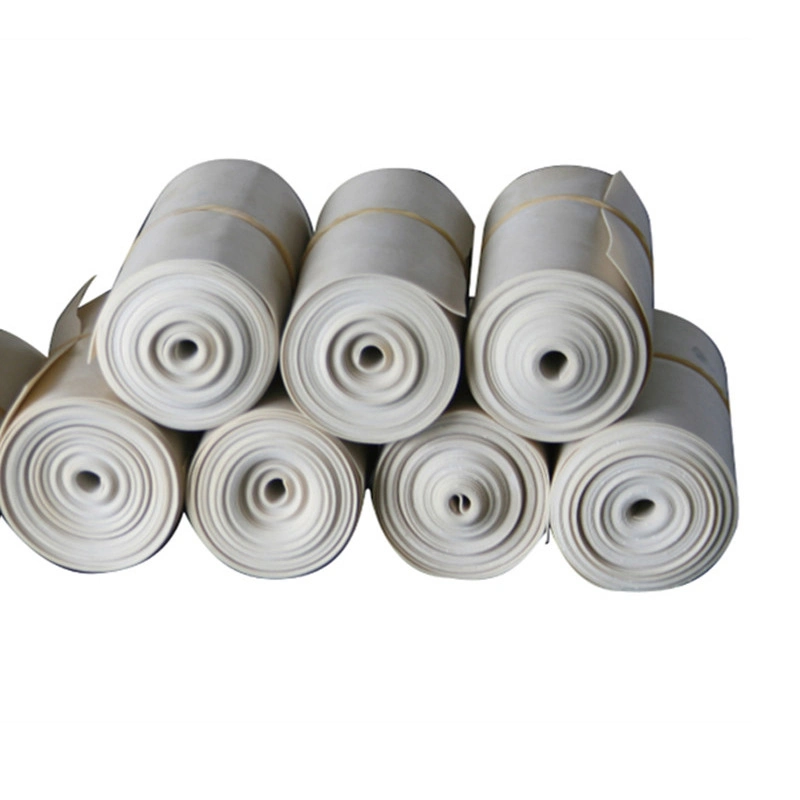
Understanding the Function of Elastic Compression Materials
Elastic compression products are used in different medical settings where controlled external pressure is required. Their flexibility allows medical professionals to handle and position the material according to the intended application. Compared with rigid medical components, elastic materials can provide greater adaptability during wrapping and positioning procedures.
In clinical practice, the physical properties of compression materials influence their handling characteristics. Flexibility, tensile strength, elasticity, and material recovery are important considerations when evaluating product suitability. Manufacturers must balance these characteristics to develop products that can support professional medical workflows.
Why Flexibility Matters in Medical Applications
Flexibility is an important characteristic of elastic medical products because it affects how easily the material can be positioned and adjusted. Medical personnel may need to work with different anatomical areas and clinical conditions, making material adaptability an important design consideration.
A suitable elastic structure should provide consistent handling characteristics without becoming excessively rigid or difficult to manage. The material should also maintain its physical integrity during normal application and handling.
Several material characteristics deserve attention during product development:
- Elasticity: Supports controlled stretching and adjustment during application.
- Tensile strength: Helps maintain structural integrity during normal handling.
- Flexibility: Allows the material to adapt to different application requirements.
- Material recovery: Influences how the material responds after stretching.
- Surface characteristics: Affect handling, contact, and overall usability.
What Determines the Performance of Medical Compression Products?
The performance of an elastic medical product depends on the interaction between its material properties, structural design, and manufacturing consistency. A product may have suitable elasticity, but its overall usability also depends on whether the material can maintain stable characteristics throughout the intended application process.
Manufacturers therefore need to evaluate the complete product rather than focusing on a single physical characteristic. Material selection, processing conditions, dimensional consistency, and finished-product inspection all contribute to product quality.
Elasticity and Structural Stability
Elasticity determines how a material responds when stretching forces are applied. In medical applications, predictable material behavior is important because excessive stretching or inconsistent recovery may affect handling and application results.
Structural stability is equally important. The material should maintain its intended form during normal use and should not easily develop unwanted deformation or damage under specified conditions.
Professional manufacturing processes help maintain consistency by controlling raw materials and production parameters. Appropriate inspection procedures can also identify variations that may affect the physical performance of finished products.
Material Selection and Manufacturing Compatibility
Raw material selection should be based on the intended medical application and relevant product requirements. Manufacturers need to consider physical properties, processing compatibility, storage conditions, and applicable medical device requirements.
Medical-grade material selection provides an important foundation for product development. However, material suitability must also be supported by appropriate manufacturing controls and finished-product evaluation.
| Quality Factor | Evaluation Focus | Manufacturing Objective |
|---|---|---|
| Elastic properties | Stretching and recovery behavior | Consistent handling performance |
| Material strength | Resistance to normal handling stress | Structural reliability |
| Dimensional consistency | Product size and shape | Stable production specifications |
| Surface quality | Material condition and finish | Suitable product handling |
| Finished-product inspection | Overall product condition | Manufacturing quality assurance |
How Does Proper Application Influence Clinical Safety?
Medical compression products must be used according to their intended purpose and established clinical procedures. Correct application is important because the amount, location, and duration of compression can influence patient safety and treatment outcomes.
Healthcare professionals should follow the product instructions, relevant clinical protocols, and applicable medical guidelines. A product's flexibility does not mean that it can be applied without considering pressure distribution or the patient's individual condition.
Following Appropriate Clinical Procedures
Before using an elastic compression product, medical personnel should evaluate the intended treatment area and select a product suitable for the procedure. The product should be inspected to confirm that its material and packaging remain in an acceptable condition.
During application, healthcare professionals should follow established operating procedures and monitor the patient's condition as required. Excessive or prolonged compression may create medical risks, so appropriate professional assessment and monitoring remain essential.
Important considerations include:
- Confirming that the selected product is appropriate for its intended medical application.
- Checking the material for visible damage or defects before use.
- Following the manufacturer's instructions and established clinical procedures.
- Applying compression according to professional medical requirements.
- Monitoring the patient when clinically indicated.
- Following applicable requirements for single-use products and disposal.
Where Are Elastic Medical Products Commonly Used?
Elastic medical materials have applications across different healthcare environments. Their practical characteristics make them suitable for various medical procedures that require flexible wrapping, positioning, or controlled external compression.
The specific application depends on the product's design, intended purpose, labeling, and relevant medical requirements. Manufacturers should provide clear product specifications so that healthcare professionals can distinguish between different types of elastic medical supplies.
Hospital Treatment Departments
Hospitals use a broad range of disposable medical consumables to support routine treatment and specialized clinical procedures. Elastic medical products may be included in relevant medical supply inventories where their intended functions match departmental requirements.
Standardized product specifications help hospital departments organize medical supplies more effectively. Consistent material quality and reliable packaging also support routine inventory management.
Outpatient Clinics and Medical Centers
Outpatient clinics require practical medical consumables that can support different treatment workflows. Products with convenient handling characteristics can help medical personnel organize preparation procedures and maintain an efficient working environment.
Clear product identification and appropriate storage conditions are also important. These factors help ensure that medical supplies can be accessed and checked before their intended use.
Emergency and First Response Environments
Emergency medical environments often involve limited preparation time and changing treatment conditions. Medical supplies used in these settings should be selected according to their intended functions and the requirements of emergency protocols.
Compact packaging, convenient handling, and consistent manufacturing quality are relevant considerations when organizing emergency medical inventories. Nevertheless, different compression products are not interchangeable, and their use should always follow the applicable clinical instructions.
How Can Manufacturers Improve Product Consistency?
Manufacturing consistency is essential for disposable medical consumables. Variations in raw materials or production conditions may influence the physical characteristics of finished products. For this reason, professional manufacturers need to establish clear quality requirements and maintain control throughout the production process.
A comprehensive quality management approach should cover raw material sourcing, incoming inspection, production monitoring, finished-product evaluation, and packaging management. Each stage contributes to the reliability of the final product.
Full-Process Quality Inspection
Quality inspection should begin before production rather than being limited to the final manufacturing stage. Raw materials need to be evaluated according to established specifications to ensure that they are suitable for the intended product.
During production, manufacturers should monitor relevant processing conditions and identify possible variations. Finished products can then undergo appropriate inspections to evaluate their physical condition and compliance with established specifications.
For elastic medical consumables, relevant inspection activities may include:
- Raw material identification and incoming quality assessment.
- Evaluation of elasticity and physical strength.
- Dimensional and appearance inspection.
- Appropriate pressure and durability testing where relevant to the product design.
- Packaging integrity and finished-product inspection.
- Production records and quality documentation management.
Standardized Production Environments
A clean and standardized factory environment helps manufacturers maintain organized production activities. Clear operating procedures, controlled work areas, and appropriate personnel training contribute to more consistent manufacturing practices.
Medical device manufacturers also need to maintain suitable documentation and traceability procedures. These measures help connect product requirements with actual production activities and provide a foundation for continuous quality improvement.
What Role Does ISO 13485 Play in Medical Device Manufacturing?
ISO 13485 is an internationally recognized quality management system standard specifically developed for medical devices. It establishes requirements for quality management processes throughout relevant stages of the medical device lifecycle.
For medical consumable manufacturers, an ISO 13485-based management system provides a structured approach to controlling production, documentation, supplier management, inspection, and corrective actions. It also emphasizes the importance of risk management and maintaining product conformity.
Connecting Quality Management With Product Development
Quality management should be integrated into product development from the beginning. Manufacturers need to consider intended applications, product specifications, potential risks, and applicable regulatory requirements when developing new medical consumables.
When product design and quality control work together, manufacturers can identify potential problems earlier and make improvements before products enter regular production.
Continuous monitoring also helps manufacturers evaluate whether existing production procedures remain suitable as materials, equipment, or product specifications change.
Why Is Customized Development Important for Medical Consumables?
Different medical institutions may have different requirements for product specifications, packaging, labeling, and application characteristics. Standardized products can meet many routine requirements, while customized development provides additional flexibility for specialized applications.
Manufacturers with independent research and development capabilities can evaluate these requirements and discuss appropriate product adjustments. Customization may involve material selection, structural modifications, packaging arrangements, or private-label production, depending on technical feasibility and applicable regulatory requirements.
Turning Clinical Requirements Into Practical Improvements
Clinical feedback can help manufacturers identify areas where product design needs improvement. Medical personnel may provide information about material handling, product dimensions, packaging convenience, or other practical concerns encountered during daily work.
Research teams can evaluate this feedback and determine whether design or material adjustments are appropriate. The objective should be to improve actual product functionality rather than introduce changes that have no meaningful clinical value.
A structured development process generally involves:
- Understanding the intended medical application.
- Reviewing the existing product specifications.
- Evaluating suitable materials and structural options.
- Assessing technical feasibility and relevant safety requirements.
- Conducting appropriate product verification and testing.
- Establishing controlled production specifications.
How Is the Medical Consumables Industry Responding to Changing Healthcare Needs?
The medical consumables industry is experiencing continuous development as healthcare institutions place greater emphasis on product safety, supply stability, and manufacturing transparency. Medical device manufacturers are expected to provide more than basic production capabilities. They also need to demonstrate effective quality management, technical knowledge, and the ability to respond to changing application requirements.
Greater Attention to Manufacturing Transparency
Healthcare organizations increasingly value clear product specifications and reliable quality documentation. Information about materials, manufacturing processes, inspection procedures, and intended applications helps medical institutions evaluate whether a product is suitable for their operational requirements.
Manufacturers that maintain complete production records and standardized inspection procedures can establish a stronger foundation for quality communication. Transparent manufacturing practices also support more effective cooperation throughout the medical supply chain.
More Flexible Supply and Service Models
Supply reliability remains an important consideration for medical institutions. Healthcare facilities need suppliers that can coordinate inventory, production schedules, delivery arrangements, and technical communication.
Manufacturers with ready stock and organized production management can respond more efficiently to routine replenishment requirements. Flexible cooperation arrangements also help accommodate different product specifications and service expectations across domestic and international markets.
What Should Be Considered When Selecting Elastic Medical Supplies?
Selecting suitable medical consumables requires a comprehensive evaluation of product specifications, intended applications, quality documentation, and manufacturing capabilities. The lowest purchase cost alone cannot determine whether a product is appropriate for a particular clinical environment.
Medical institutions should first establish clear technical requirements and confirm that the selected product matches its intended use. Product documentation and manufacturer communication can then help clarify important details before procurement and clinical application.
Key Product Evaluation Considerations
- Intended application: Confirm that the product is designed for the required medical procedure.
- Material specifications: Review relevant information about elasticity, strength, and material characteristics.
- Quality management: Understand the manufacturer's inspection procedures and quality control system.
- Packaging information: Check product identification, storage requirements, and packaging integrity.
- Regulatory documentation: Confirm applicable certifications, registrations, and compliance information for the target market.
- Technical support: Evaluate whether the manufacturer can provide clear product information and after-sales assistance.
These considerations help establish a more complete understanding of product suitability. They also encourage closer communication between medical institutions and manufacturers, supporting more reliable medical supply management.
How Can a Flexible Esmarch Tourniquet Meet Different Product Requirements?
Product adaptability is an important consideration in the development of elastic medical consumables. Healthcare environments may require different material characteristics, product dimensions, packaging formats, and specifications according to their intended applications.
A well-developed product should balance flexibility with structural stability while maintaining consistent manufacturing quality. Manufacturers need to evaluate these characteristics through appropriate material assessments and product testing rather than relying solely on general product descriptions.
Combining Practical Design With Manufacturing Control
Practical design begins with understanding how a product will be handled in its intended environment. Manufacturers should consider the relationship between material behavior, product structure, packaging, and application requirements.
Manufacturing control then helps translate these design requirements into consistent finished products. Standardized production parameters and appropriate inspection procedures are essential for maintaining product conformity across different production batches.
For medical consumable manufacturers, continuous improvement should remain an ongoing process. Feedback from production teams, quality personnel, and healthcare professionals can provide useful information for optimizing existing products and developing new solutions.
Baoding Sanji Medical Strengthens Its Medical Consumables Manufacturing Capabilities
Baoding Sanji Medical Devices Technology Co., Ltd. specializes in the research and production of disposable medical consumables. As a comprehensive medical device enterprise, the company has independent manufacturing, independent quality control, and customized research and development capabilities.
The company operates in a clean and standardized factory environment and follows the requirements of the ISO 13485 medical device quality management system throughout product research, manufacturing, and sales. Its quality management approach emphasizes medical-grade compliant raw materials, full-chain inspection procedures, and appropriate pressure and durability testing of finished products.
Research and development are another important part of Sanji Medical's operations. The company focuses on practical clinical requirements and continuously optimizes product designs and materials. With customized development capabilities, it can undertake product redesign and private-label manufacturing requirements according to relevant technical specifications.
Its main product range includes disposable tourniquets, tactical tourniquets, buckle tourniquets, endoscopy bite blocks, Esmarch bandages, dialysis straps, and other disposable medical supplies. These products support different medical applications and reflect the company's focus on practical healthcare consumables.
In addition to manufacturing, Sanji Medical provides ready-stock products, efficient delivery arrangements, and technical after-sales support. Its cooperation models are suitable for public hospitals, private clinics, healthcare institutions, and medical trading companies in domestic and international markets.
As demand for dependable medical consumables continues to develop, Baoding Sanji Medical Devices Technology Co., Ltd. remains committed to improving product quality through meticulous manufacturing, professional research, and responsible service. Guided by its mission to create high-quality medical products and support medical safety through integrity, Sanji Medical aims to build lasting cooperation with medical industry partners and contribute to a healthier future.
Previous:No News
Send Inquiry



X
We use cookies to offer you a better browsing experience, analyze site traffic and personalize content. By using this site, you agree to our use of cookies.
Privacy Policy