
How Does a Medical Esmarch Tourniquet Help Evacuate Limb Blood?
A Medical Esmarch Tourniquet uses the elasticity of TPE or rubber to support limb blood evacuation and temporary blood-flow restriction during specified surgical procedures. In this article, we explain how its elastic construction works, how material and size options affect product selection, and what medical facilities should consider when choosing an Esmarch Tourniquet. At Sanji, we manufacture medical tourniquets in different configurations to meet varying application and packaging requirements.
Table of Contents
- How Does a Medical Esmarch Tourniquet Help Evacuate Limb Blood?
- TPE vs. Rubber: Choosing the Right Tourniquet Material
- Medical Esmarch Tourniquet Specifications
- Common Surgical Applications of Esmarch Tourniquets
- What Should Medical Facilities Consider When Selecting One?
- How Sanji Supports Medical Tourniquet Manufacturing
- Frequently Asked Questions
How Does a Medical Esmarch Tourniquet Help Evacuate Limb Blood?
In certain surgical procedures involving the limbs, controlling the amount of blood in the operative area is an important part of preparation. Blood remaining in the limb can affect visibility, particularly when surgeons need to examine tissue structures, perform suturing, or manage fractures.
A Medical Esmarch Tourniquet is designed to support limb blood evacuation through its elastic construction. Made from thermoplastic elastomer (TPE) or rubber, it uses material recoil and elastic tension to provide close contact around the limb during application.
Unlike pneumatic tourniquet systems that rely on an inflatable cuff and pressure-control equipment, an elastic Esmarch Tourniquet has a relatively simple construction. Its flexibility allows trained medical professionals to use it in accordance with the applicable surgical protocol without requiring an inflation device.
From our manufacturing perspective at Sanji, three design characteristics are particularly important:
- Elastic recovery: The material needs suitable elasticity to maintain its intended mechanical properties during application.
- Flexible contact: The construction should accommodate the intended limb dimensions and product configuration.
- Practical handling: A one-piece structure avoids complicated assembly and supports straightforward preparation.
It is important to distinguish limb blood evacuation from blood-flow restriction. These are related but different functions in surgical preparation. The actual application sequence, pressure considerations, and suitability must be determined by qualified medical professionals following established clinical protocols. An elastic tourniquet should not be treated as a universal substitute for a controlled pneumatic tourniquet.
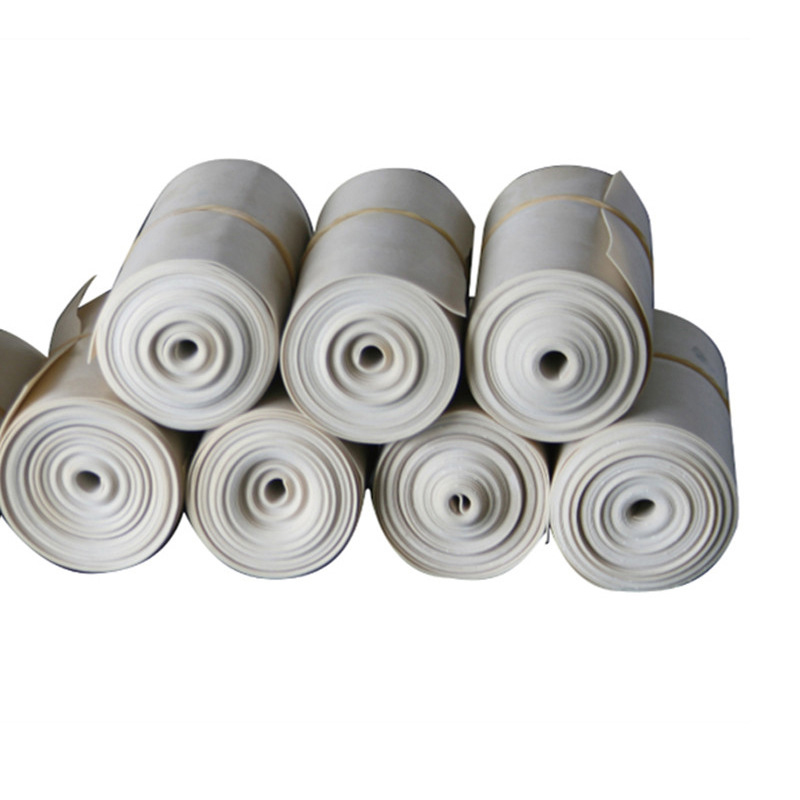
TPE vs. Rubber: Choosing the Right Tourniquet Material
Material selection directly affects the elasticity, flexibility, handling characteristics, and overall performance of an Esmarch Tourniquet. At Sanji, we offer both TPE and rubber configurations to accommodate different product requirements.
TPE Esmarch Tourniquet
Thermoplastic elastomer combines elastic behavior with thermoplastic processing characteristics. This makes TPE a practical material option for medical products that require flexibility and consistent manufacturing dimensions.
For a TPE Tourniquet, we pay attention to material consistency, dimensional stability, and elastic recovery. These factors matter because variations in material properties can affect the feel and handling of the finished product.
Rubber Esmarch Tourniquet
Rubber is another established material option for elastic medical products. Its flexibility and elastic properties make it suitable for applications requiring stretch and close contact around the limb.
When selecting a Rubber Tourniquet, we recommend evaluating the intended application, material specifications, storage conditions, and applicable product requirements rather than choosing solely by appearance or initial softness.
| Comparison Factor | TPE | Rubber |
|---|---|---|
| Material Type | Thermoplastic elastomer | Rubber elastomer |
| Elastic Behavior | Flexible with elastic recovery | Flexible with elastic recovery |
| Manufacturing Considerations | Thermoplastic processing and formulation control | Rubber formulation and processing control |
| Selection Considerations | Material specifications, flexibility, and application requirements | Elastic properties, storage, and application requirements |
Neither material is automatically better for every application. We recommend confirming the required material properties and intended use before finalizing a product specification.
Medical Esmarch Tourniquet Specifications
Different surgical environments may require different tourniquet dimensions and configurations. Our ET101 Medical Esmarch Tourniquet is available in TPE or rubber, with blue and white color options.
| Parameter | Specification |
|---|---|
| Product Name | Esmarch Tourniquet |
| Product Code | ET101 |
| Available Sizes | 10 cm / 15 cm |
| Available Colors | Blue / White |
| Material | TPE / Rubber |
| Applicable Limb Circumference | 14–85 cm, depending on product configuration |
| Construction | Elastic one-piece construction |
| Packaging | Customized packaging available |
When evaluating these specifications, we suggest paying particular attention to the size and applicable limb circumference. The 10 cm and 15 cm options refer to the available product dimensions, while the stated circumference range depends on the selected configuration. These details should be confirmed against the specific product specification before ordering.
For medical distributors and institutional procurement projects, packaging is another consideration. Sanji supports customized packaging according to the agreed product configuration and order requirements.
Common Surgical Applications of Esmarch Tourniquets
An Esmarch Tourniquet is associated with selected surgical procedures involving the extremities. Its elastic construction is intended to support limb blood evacuation and temporary blood-flow restriction when used as part of an appropriate clinical protocol.
1. Orthopedic Procedures
In selected orthopedic procedures, including fracture-related operations, surgical teams may need to manage blood within the operative area. An elastic Esmarch Tourniquet can be incorporated into the preparation process when clinically appropriate and permitted by the relevant protocol.
2. Wound Repair and Suturing
During certain wound repair and suturing procedures, visibility around the treatment area is important. Appropriate surgical preparation can help medical professionals examine the affected structures and carry out the planned procedure.
3. Selected Hand and Limb Procedures
Some procedures involving the hand, wrist, forearm, or other extremity areas require temporary management of limb blood flow. The appropriate tourniquet type and dimensions depend on the anatomical site, patient characteristics, and clinical requirements.
Not every patient or procedure is suitable for elastic limb compression. Medical professionals must assess contraindications, tissue condition, vascular risks, and other relevant factors before use.
What Should Medical Facilities Consider When Selecting an Esmarch Tourniquet?
Choosing an Esmarch Tourniquet involves more than checking whether the material is elastic. Based on our experience manufacturing medical supplies, we recommend evaluating several practical factors before confirming a product configuration.
| Selection Factor | What to Check | Why It Matters |
|---|---|---|
| Material | TPE or rubber specifications | Determines the material characteristics and suitability for the intended application. |
| Dimensions | 10 cm or 15 cm options | Helps match the product configuration to the intended use. |
| Elastic Properties | Stretch behavior and recovery consistency | Supports consistent handling during application. |
| Product Configuration | One-piece construction and clip availability where applicable | Affects handling and removal arrangements. |
| Packaging | Individual or customized packaging requirements | Helps align the product with distribution and storage needs. |
One detail that is sometimes overlooked is the relationship between product dimensions and actual application requirements. A wider or longer configuration does not automatically mean better performance. The selected product must match the intended clinical application and the manufacturer's stated specifications.
How Sanji Supports Medical Tourniquet Manufacturing
At Sanji, we understand that medical supply products need consistent specifications, practical configurations, and reliable manufacturing processes. Baoding Sanji Medical Instrument Technology Co., Ltd. was incorporated in 2010 and is located in the National University Science and Technology Park, Baoding High-tech Development Zone, Hebei Province, China.
Our product range includes TPE Tourniquets, CAT Tourniquets, Buckle Tourniquets, first aid kits, IFAK products, endoscopic bite blocks, and ultrasound gel.
For our Medical Esmarch Tourniquet, we offer several configuration options:
- Material options: TPE and rubber configurations.
- Size options: 10 cm and 15 cm specifications.
- Color options: Blue and white.
- Packaging customization: Packaging arrangements based on project requirements.
- Quality control: Multi-stage manufacturing quality checks to support product consistency.
We also recognize that different markets and distribution channels may have different product and packaging requirements. Our team works with customers to confirm specifications before production, helping reduce misunderstandings involving material selection, dimensions, and packaging details.
Beyond tourniquets, Sanji continues to develop and supply a broader range of medical products for customers in international markets. Our approach is to combine practical product configurations with professional manufacturing support rather than offering a one-size-fits-all solution.
Frequently Asked Questions
1. What is a Medical Esmarch Tourniquet used for?
A Medical Esmarch Tourniquet is an elastic medical device used in selected surgical procedures to support limb blood evacuation and temporary blood-flow restriction. Its use depends on the clinical application and the medical professional's assessment.
2. How does an Esmarch Tourniquet help evacuate limb blood?
Its elastic construction provides tension around the limb. When applied using an appropriate clinical technique, it supports the displacement of blood from the limb and helps prepare the surgical area. The application must follow established medical protocols.
3. What is the difference between a TPE and a rubber tourniquet?
TPE is a thermoplastic elastomer, while rubber is an elastomeric material with different formulation and processing characteristics. Both can provide flexibility and elastic recovery. The choice depends on material specifications, intended use, and product requirements.
4. What sizes are available for Sanji's Medical Esmarch Tourniquet?
Sanji's ET101 model is available in 10 cm and 15 cm options. The applicable limb circumference range is 14–85 cm depending on the selected configuration. Please confirm the exact dimensions and compatibility before ordering.
5. Can the Medical Esmarch Tourniquet be used without an inflation device?
Yes. Its elastic one-piece construction does not require an inflation pump or pneumatic control equipment. However, this does not eliminate the need for trained personnel, appropriate clinical assessment, and correct application procedures.
6. Does Sanji offer customized packaging for Esmarch Tourniquets?
Yes. Sanji supports customized packaging based on the agreed product configuration and procurement requirements. Customers can discuss packaging details with our team before placing an order.
7. Is an Esmarch Tourniquet suitable for every surgical patient?
No. Elastic tourniquet use is not appropriate for every patient or procedure. Vascular conditions, tissue injuries, contraindications, and other clinical factors must be evaluated by qualified medical professionals before use.
At Sanji, we focus on providing Medical Esmarch Tourniquet options with practical material, size, and packaging configurations. By understanding the intended application and confirming the technical specifications in advance, medical supply distributors and healthcare procurement organizations can select a product that better matches their requirements.
Previous:No News
Send Inquiry



X
We use cookies to offer you a better browsing experience, analyze site traffic and personalize content. By using this site, you agree to our use of cookies.
Privacy Policy